Someone Got There First: A Bosch Subdomain Already Hijacked for Gambling Spam
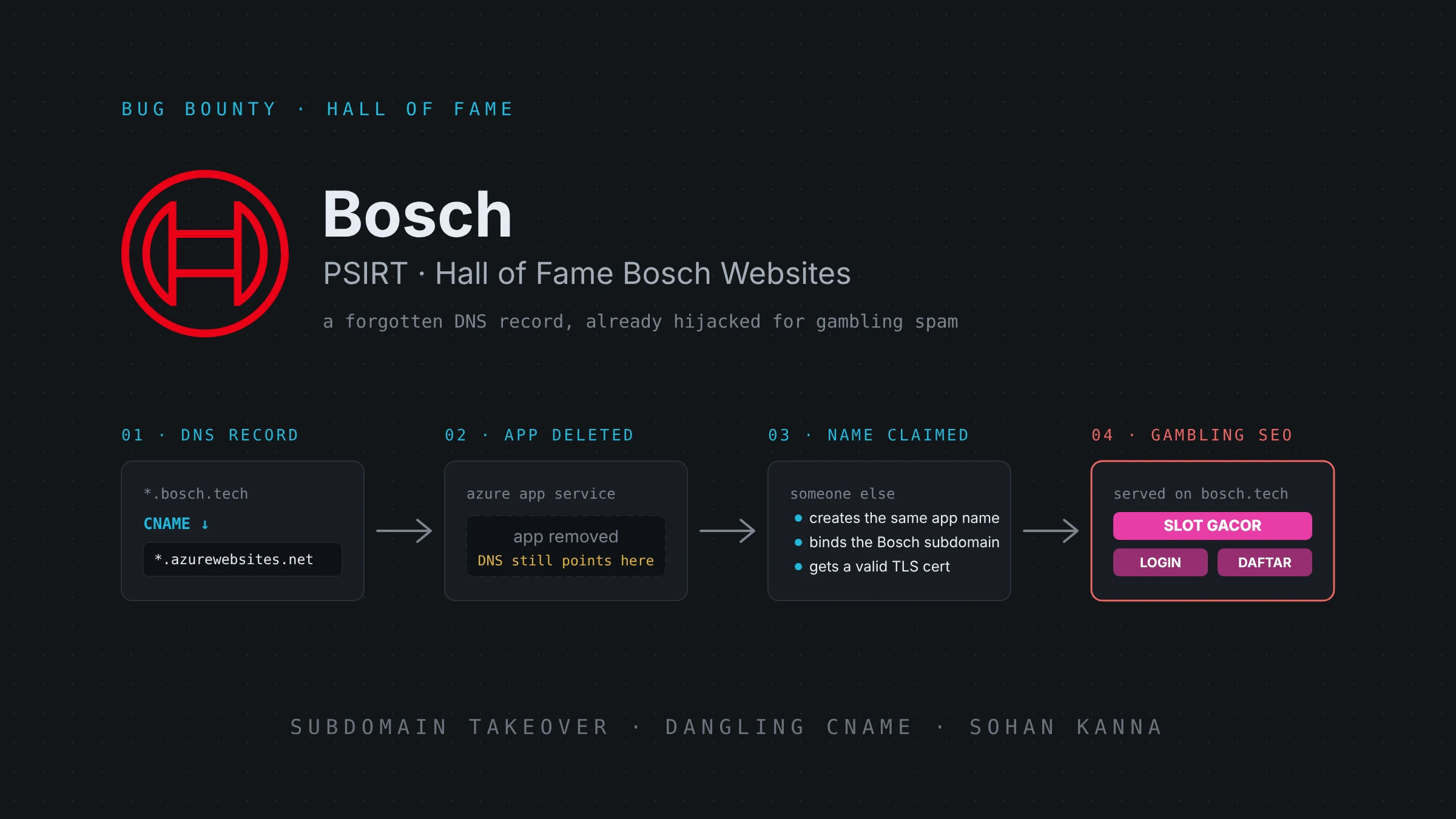
A Bosch subdomain still pointed at an Azure app that no longer belonged to Bosch. By the time I found it, someone had claimed that app name and was serving an Indonesian online-gambling site on the Bosch domain, complete with a valid HTTPS certificate.

- Severity
- High
- Class
- Subdomain takeover
- Reported
- 6 Sept 2026
- Status
- Fixed
- Weaknesses
- CWE-672
On this page
Most bug hunting is about finding a door someone could walk through. This time the door was already open, and someone had moved in and put up a casino.
TL;DR
- A Bosch subdomain had a DNS record (a CNAME) pointing to an Azure App Service app name ending in
azurewebsites.net. - That app no longer belonged to Bosch. Someone else had claimed the same app name, so the Bosch subdomain now served their site.
- The site was an Indonesian online-gambling page, served on the Bosch domain with a valid HTTPS certificate for it.
- I collected evidence without touching anything and reported it to Bosch PSIRT on 6 September 2026.
- Bosch fixed it and added me to their Hall of Fame for Bosch Websites.
The exact subdomain and Azure app name are left out. The gambling ad's photo of a person is blurred.
What I found
While going through Bosch subdomains, one of them didn't look like Bosch at all:
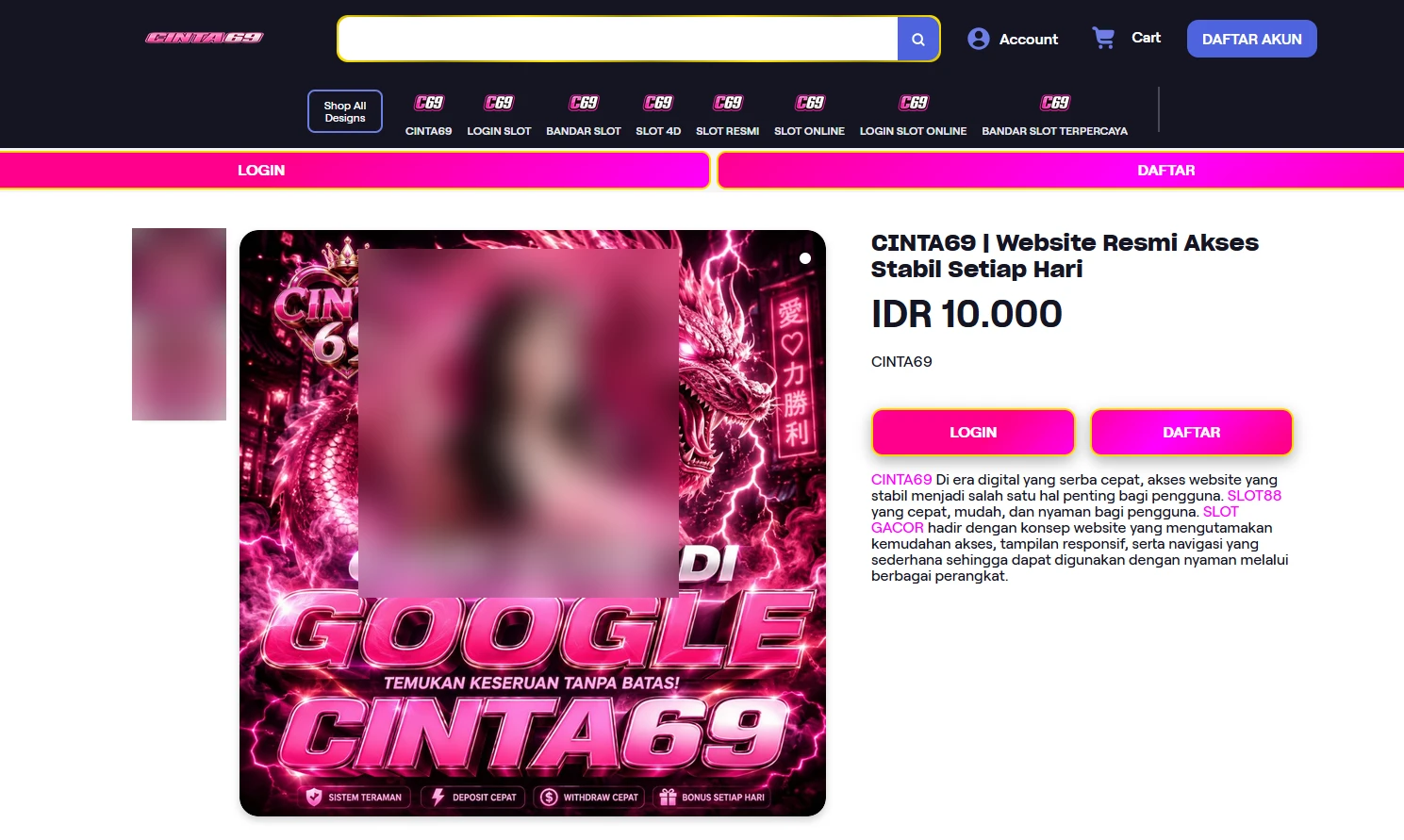 The Bosch subdomain, serving an online-gambling site. The photo of a person in the ad is blurred.
Bright pink buttons for LOGIN and DAFTAR ("register" in Indonesian), menu items like bandar slot, slot online and slot 4D, the phrase slot gacor, and a banner saying "Cari kami di Google", which means "find us on Google". The page title translates to "Official website, stable access every day".
And the padlock in the browser was fine. The certificate was valid for the Bosch hostname.
How a Bosch subdomain ends up serving a casino
This is a subdomain takeover, and it comes from a forgotten DNS record:
- At some point Bosch hosted an app on Azure App Service. Every App Service app gets a default address like
something.azurewebsites.net. - To put that app on a Bosch address, a CNAME record was created: Bosch subdomain → something.azurewebsites.net.
- Later the Azure app was deleted, but the CNAME was left behind. That's a "dangling" DNS record.
- App names on Azure are first-come, first-served. Once the name became available, someone else created an app with the same name in their own Azure account.
- Now the Bosch subdomain pointed at their app. Azure only lets you attach a custom domain you can prove you control, and the leftover CNAME was all the proof needed. With the domain attached, Azure can issue a free managed certificate for it, which is most likely how the valid padlock appeared.
Microsoft's own guidance describes exactly this: a takeover "can occur when you have a DNS record that points to a deprovisioned Azure resource." Azure does now hold deleted app names back for their original tenant, and lets you protect custom domains with an asuid TXT verification record. Neither helps a CNAME that was left pointing at a name someone else already owns.
It wasn't random
I saved the HTML the subdomain was serving, and the source shows this was an SEO job, not a prank:
- The canonical URL and an AMP version of the page were set to the Bosch hostname, so search engines treat the Bosch subdomain as the "real" home of the page.
hreflangtags declared Indonesian and English versions.- A Bing Webmaster Tools verification tag (
msvalidate.01) was in the page. Whoever ran it had registered the Bosch subdomain as their site in Bing's webmaster console. - The layout was a copied product page from an online T-shirt store, with its stylesheets still loading from that store's servers. The gambling branding was dropped on top: the "product" is the casino, priced at IDR 10,000.
The idea is simple: borrow the reputation of a big, trusted domain so the gambling site ranks in search. That's what "find us on Google" on the banner is about.
This isn't a one-off. In December 2025, researchers at Malanta described an Indonesian-speaking online-gambling network that had been active for at least 14 years, spanning more than 328,000 domains, including 1,481 hijacked subdomains, taken over through dangling DNS records, expired cloud resources and unclaimed CNAMEs. In October 2026, Infoblox reported a separate campaign pointing government and university subdomains at gambling pages for Indonesian audiences. I can't say who was behind this one; the language and the playbook just match a very busy industry.
How I reported it, without touching anything
Everything I did was read-only:
- Looked up the DNS records for the subdomain and confirmed the CNAME to
azurewebsites.net - Saved the HTTP response and the HTML being served
- Pulled the TLS certificate and checked certificate transparency logs to see what had been issued for the hostname
- Didn't modify any content, didn't log in to anything, and didn't access any Bosch data
On 6 September 2026 I emailed Bosch PSIRT with a written report, the raw DNS, HTTP, TLS and certificate-transparency evidence, and the captured HTML.
Bosch replied three days later. They asked me to use their Bugcrowd form for website reports and to keep the details private until their analysis was done:
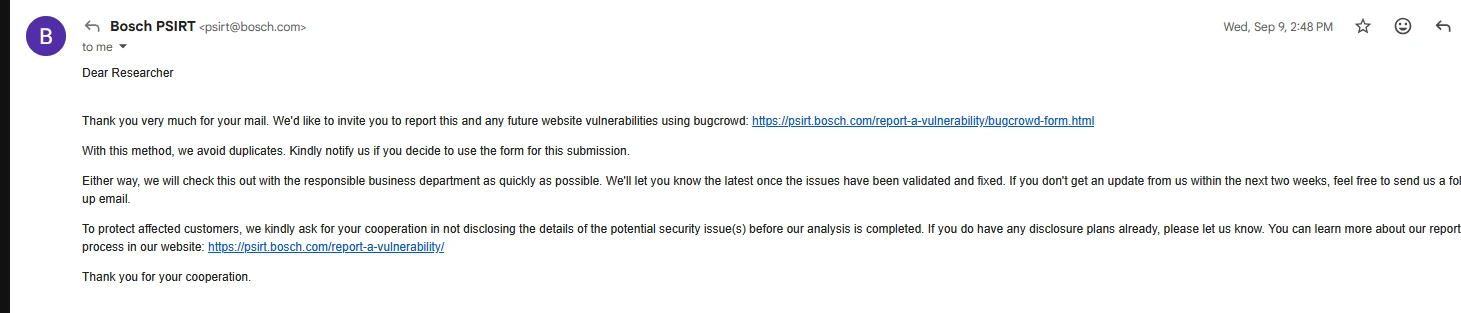 Bosch PSIRT's first reply.
I didn't have a way to submit it through Bugcrowd, so I told them, and they carried on with my report by email anyway.
Fixed
When I checked again later, the subdomain no longer served the gambling site. It returned Azure's "Error 403 - This web app is stopped" page:
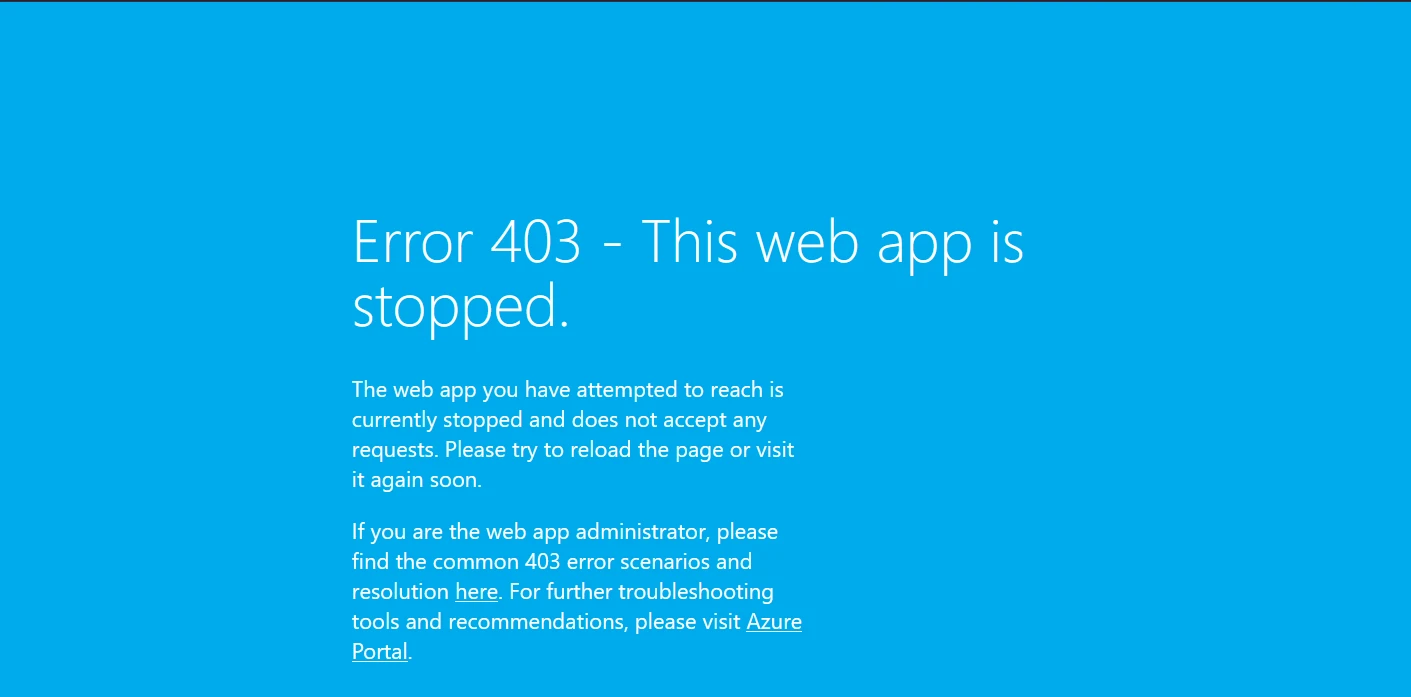 The same subdomain afterwards: the hijacked app is stopped.
After a polite follow-up at the end of October, Bosch wrote back on 2 November thanking me and offering me a place on their acknowledgment page:
 Bosch PSIRT's Hall of Fame offer.
The acknowledgement
I'm listed in the Hall of Fame Bosch Websites for 2026 as Sohan Kanna D, under Misconfiguration. You can find it on Bosch PSIRT's Hall of Fame page.
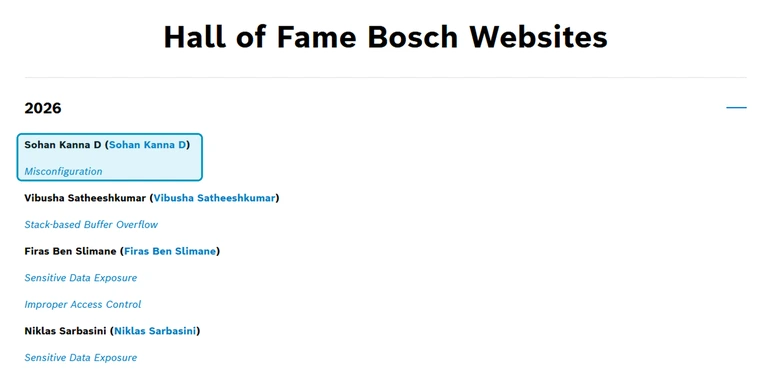 My entry in the Bosch Websites Hall of Fame, highlighted.
Why it matters
A gambling ad is the mild version of what a takeover allows. Whoever controls the subdomain can serve anything, on a Bosch address, with a working padlock:
- Phishing pages that look completely legitimate: a Bosch login page on a Bosch domain
- Cookie theft, if any cookies are scoped to the parent domain and sent to every subdomain
- Malware downloads that inherit the brand's trust
- Reputation damage: the domain gets associated with gambling spam in search results and blocklists
How to fix it, and keep it fixed
| # | What went wrong | Fix |
|---|---|---|
| 1 | A CNAME pointed at an Azure app that no longer existed | Delete DNS records before deleting the cloud resource they point to, not after |
| 2 | Nothing stopped someone else attaching the Bosch subdomain to their app | Add an asuid.<subdomain> TXT record with your App Service domain verification ID, so other subscriptions can't bind the domain |
| 3 | The app name could be re-created by anyone | Use Azure's secure unique default hostnames for new apps, so outsiders can't create the same default name |
| 4 | No one noticed for a while | Regularly scan your DNS zones for CNAMEs to cloud services that don't resolve to something you own, and watch certificate transparency logs for certificates you didn't request |
Timeline
| Date | What happened |
|---|---|
| 6 Sep 2026 | Reported to Bosch PSIRT by email, with a written report and the DNS, HTTP, TLS and CT evidence |
| 9 Sep 2026 | Bosch replied, asked for Bugcrowd submission and confidentiality during analysis; continued by email |
| 29 Oct 2026 | Sent a follow-up |
| 2 Nov 2026 | Bosch thanked me and offered a Hall of Fame listing |
| Nov 2026 | Listed in the Hall of Fame Bosch Websites for 2026; the hijacked app now returns "web app is stopped" |
| 12 Nov 2026 | This write-up published, with the hostname and app name left out |
What I took away from it
- Look at what a subdomain actually serves, not just whether it's up. This one was "up" and had a valid certificate. It just wasn't Bosch any more.
- Dangling DNS is being farmed, not just found. Gambling networks look for these at scale, so by the time a researcher finds one, it may already be in use.
- Collect evidence without joining in. DNS, HTTP, TLS and CT logs were enough to prove it. There was no need to claim anything back.
- Follow up politely. My report sat quietly for seven weeks; one short follow-up got it moving.